You can reach Kelingking Beach on a full-day Nusa Penida tour from Bali and stand at one of Indonesia’s most famous cliff viewpoints, making it a must-see for anyone seeking dramatic coastal scenery and unforgettable photos.
If you want a compact itinerary, expect boat transfers from Sanur, a guided drive around the island, and stops at Kelingking plus nearby highlights like Angel’s Billabong and Broken Beach.
Plan for rugged trails, steep descents, and limited facilities so you can enjoy the view safely and make the most of nearby activities, snorkeling options, and local food and lodging choices.
Overview of Nusa Penida Tours
Nusa Penida tours typically combine a fast-boat transfer, land transport on the island, and visits to key viewpoints and beaches. You’ll decide between group or private options, choose whether to include snorkeling (often for manta rays), and plan how many highlights like Kelingking you can fit into one day.
Types of Tours Available
Most travelers choose between three main formats: shared day tours, private day tours, and multi-day packages. Shared day tours are budget-friendly and follow fixed routes that reliably include Kelingking Beach, Broken Beach, and Angel’s Billabong. You’ll have set pickup times and a guide but limited flexibility.
Private tours give you control over timing and photo stops. You can allocate extra time at Kelingking for the viewpoint, the steep path down, or drone shots if allowed. Private charters also let you add snorkeling at Manta Point or a relaxed swim at Crystal Bay.
Snorkeling-only trips focus on marine life, commonly adding equipment, a boat skipper, and underwater photos. Multi-day stays allow you to explore less-visited east-coast sites like Diamond Beach and to recover from boat crossings without rushing.
Best Time to Visit Nusa Penida
The dry season (April–October) offers calmer seas and clearer water for snorkel trips to manta cleaning stations near Manta Point. You’ll find the most reliable fast-boat crossings from Sanur and Padangbai during these months, which reduces cancellations.
Weekdays outside Indonesian holidays mean fewer crowds at Kelingking viewpoints and shorter waits for parking and viewpoints. If you plan to snorkel, aim for morning departures when water visibility is highest and wind is lowest.
Avoid travel during the monsoon peak (December–February) if you need guaranteed boat schedules. If you must travel in the shoulder months, book flexible tickets and allow extra time for ferry delays and rougher rides.
Tour Duration and Itineraries
Most full-day tours last 10–12 hours from Bali hotel pickup to return, including a 30–45 minute fast-boat crossing each way. Expect 1–2 hours total at major stops like Kelingking, with shorter 20–40 minute visits at Broken Beach and Angel’s Billabong.
Typical itinerary (shared day):
- 06:00–07:30 — Bali pickup and transfer to harbor
- 08:00–09:00 — Fast boat to Nusa Penida
- 09:30–14:30 — Land tour: Kelingking, Broken Beach, Angel’s Billabong; lunch included
- 15:00 — Optional snorkeling or Crystal Bay stop
- 16:30 — Return boat to Bali
Private or multi-day itineraries extend on-island time, allow for east-coast stops (Diamond Beach, Atuh Beach), and can add an extra snorkeling day so you don’t rush Kelingking’s steep descent or the island’s longer drives.
Discovering Kelingking Beach
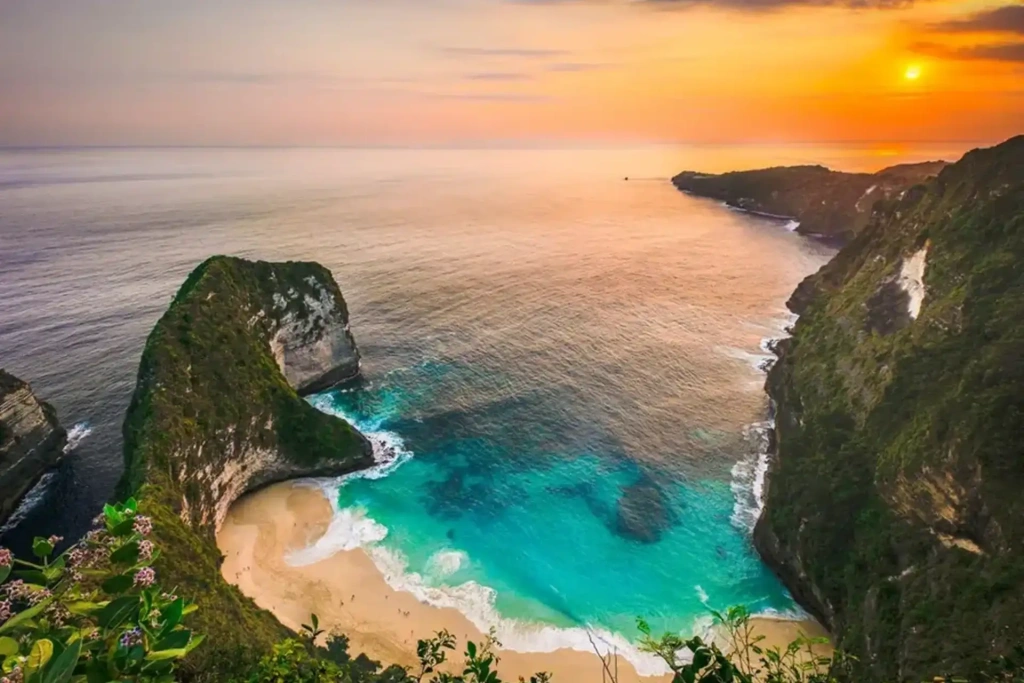
Kelingking offers a dramatic cliff silhouette, a steep trail down to a secluded white-sand cove, and several viewpoints that reward early visitors with clearer light and fewer people. Expect rugged terrain, strong coastal winds, and a popular photo spot shaped like a T‑Rex head.
History and Significance of Kelingking
Kelingking gained fame in the 2010s as social media photographers shared its dinosaur‑shaped cliff, drawing international visitors to Nusa Penida. The name “Kelingking” comes from the local language describing the cliff’s bent shape; locals have long considered the site part of community coastal land rather than a built tourist attraction.
You should know the site carries both cultural and environmental importance. Local vendors and small businesses around the viewpoint depend on visitor income, while the fragile cliffside vegetation and coral reefs below need protection from trampling and litter. Recent local initiatives have introduced simple measures—trash collection points and safer railings—to balance tourism with conservation.
How to Get to Kelingking Beach
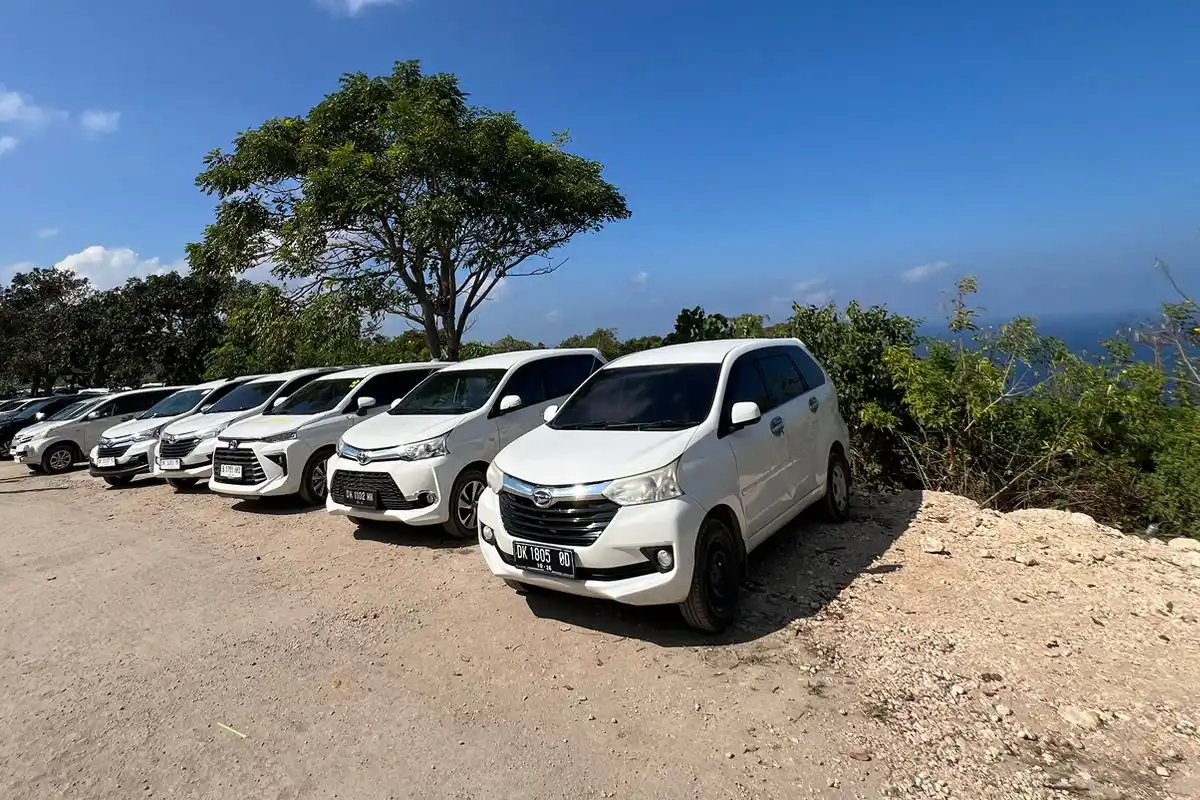
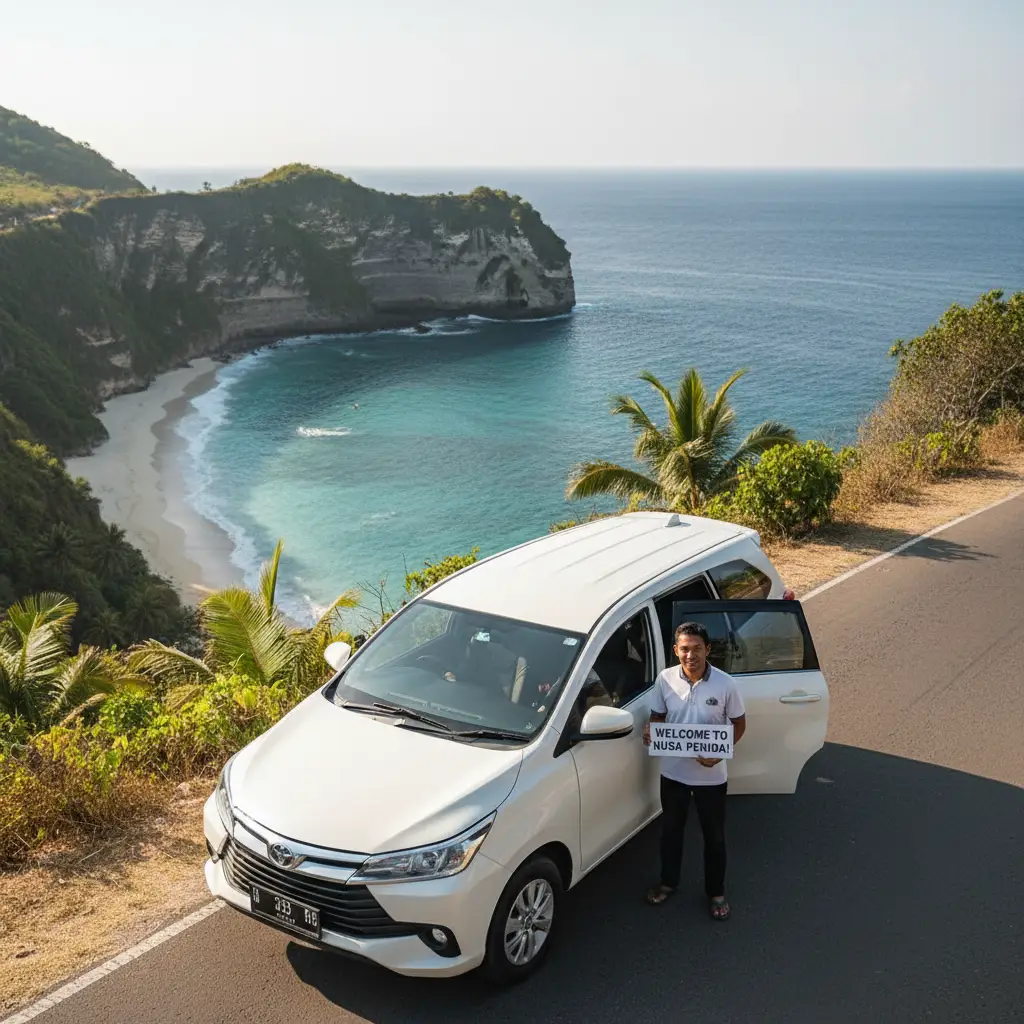
From Bali, take a fast boat (about 45 minutes) to Nusa Penida harbor, then drive roughly one hour southwest to the Kelingking viewpoint. You can rent a scooter, hire a private driver, or join a guided day tour; guided tours often include hotel pickup and a timed fast‑boat return.
At Kelingking you’ll encounter parking and a short walk to the main viewpoint; expect uneven paths and basic safety railings. If you plan to descend to the beach, wear sturdy shoes, bring water, and allow an extra 45–90 minutes for the steep, hand‑railed trail each way. Check tide times and weather before attempting the descent—strong currents and limited rescue options make swimming risky.
Scenic Viewpoints and Photography Tips
The primary viewpoint sits above the cliff’s “T‑Rex” head and offers the classic wide‑angle shot of the formation and cove. For fewer crowds and softer light, arrive before 8:00 AM or late afternoon; midday light can wash out color and increase heat on the path.
Use these practical tips:
- Frame: Position yourself left of the main bench to include more of the cove in the foreground.
- Lens: A wide‑angle (16–35mm on full frame) captures the whole formation; a 50mm gives tighter detail.
- Safety: Stay behind railings and avoid unstable edges for photo angles.
- People shots: Place a person on the lower rock to show scale, but ask permission first.
- Equipment: Bring sunscreen, a windproof cover for lenses, and a lightweight tripod for sunrise/sunset exposures.
If you plan drone shots, check current local regulations and respect no‑fly zones to avoid fines and disturbance to wildlife.
Essential Travel Tips for a Kelingking Tour
Plan for steep paths, strong sun, and limited services at Kelingking. Bring sturdy footwear, plenty of water, and a charged phone; expect basic facilities and uneven trails on Nusa Penida.
Safety and Accessibility
Kelingking’s viewpoint sits on a cliff with sheer drops and narrow paths. Stay behind railings, keep a safe distance from edges, and supervise children at all times.
The trail down to the beach is steep, loose, and sometimes eroded; only attempt the descent if you are physically fit and wear shoes with good grip. Avoid the descent after rain — rocks and steps become slippery and dangerous.
Emergency response on Nusa Penida is limited. Carry basic first-aid supplies and a portable phone charger. If you join a Nusa Penida tour Kelingking itinerary, confirm the operator’s safety record and ask whether they supply helmets, guides, or porter assistance for the trail.
What to Pack for the Day
Bring at least 1.5–2 liters of water per person, plus electrolyte tablets if you plan to hike to the beach. Pack sun protection: high-SPF sunscreen, a wide-brimmed hat, and sunglasses.
Carry light snacks or a packed lunch; on-site food options are minimal and can be crowded. Include a compact first-aid kit with blister plasters, antiseptic wipes, and pain relievers.
Choose a small daypack with a waterproof cover for changing weather. Add a fully charged phone, a portable battery (10,000 mAh or more), and a physical map or screenshot of directions since mobile signal can be spotty. Bring cash (Indonesian rupiah) for entrance fees, parking, and local vendors.
Dress Code and Requirements
Dress for steep trails and sun exposure. Wear closed-toe shoes or sturdy sandals with ankle support; flip-flops are not recommended for the Kelingking descent. Opt for breathable, quick-dry fabrics to stay comfortable in heat and humidity.
Respect local culture when moving through villages or returning to boats: carry a lightweight sarong or cover-up to wear over swimwear if you visit temples or small settlements. Some operators may require modest dress when visiting combined sites on a Nusa Penida tour Kelingking route, so keep a shirt that covers shoulders handy.
If you plan drone photography, check current local restrictions and bring spare batteries. Always follow signage and staff instructions; fines or confiscation can occur for prohibited behavior or restricted access.
Top Activities Near Kelingking Beach
Kelingking sits on Nusa Penida’s rugged west coast and offers both ocean experiences and cliffside exploration. You can spot manta rays, swim clear waters, or follow steep trails that reward you with panoramic views.
Snorkeling and Marine Life
You can join a snorkeling trip from Toya Pakeh or Crystal Bay; most day tours include hotel pickup and a speedboat crossing. Tours usually stop at spots known for clear visibility and frequent manta sightings, so ask guides about seasonal manta cleaning stations and current visibility before you go.
Bring reef-safe sunscreen and a shortie wetsuit if you get cold; rental gear is widely available but inspect masks and fins for fit. Expect basic safety briefings, and if you’re not a strong swimmer request a flotation aid currents can be strong near drop-offs. For underwater photography, use a float strap and secure housings: waves and boat decks are common causes of lost cameras.
Hiking Trails and Nature Walks
The trail down to Kelingking’s beach is steep, uneven, and exposed; wear sturdy shoes with good grip and carry at least 1 liter of water per person. The descent takes 30–60 minutes depending on fitness and crowd levels; plan for a longer ascent and consider visiting early morning to avoid heat and heavy foot traffic.
Stick to the marked path and avoid the cliff edge when taking photos; local vendors may sell water and snacks near the viewpoint but expect limited shade. If you prefer gentler walks, explore nearby viewpoints along the western ridge for shorter 10–20 minute walks that still deliver dramatic views of the T‑Rex shaped headland.
Where to Eat and Stay During Your Tour
You’ll find simple beachfront warungs, a handful of cafes with good coffee, and mid-range guesthouses within 10–30 minutes of Kelingking. Plan meals around boat schedules and book lodging in advance during high season.
Recommended Restaurants and Cafés
- Warung Tu Pande (local warung) — Expect home-cooked Indonesian dishes like nasi campur and freshly grilled fish. Portions are affordable and the setting is casual; ideal after a morning at Kelingking when you want something hearty and local.
- Seaview cafés near Banjar Pelilit — Several small cafés serve iced coffee, smoothies, and sandwiches with cliff views. They’re good for a light lunch or late-afternoon chill while you watch the sunset.
- Crystal Bay snack stalls — If you plan to stop at Crystal Bay for snorkeling, grab quick snacks or grilled corn from roadside vendors. They offer fast, budget-friendly options so you don’t miss the boat.
- Practical notes — Bring cash; many places don’t accept cards. Carry bottled water and a basic snack for the hike down to Kelingking, since there are no reliable food vendors on the trail.
Accommodation Options Near Kelingking
- Guesthouses and homestays (30–45 minutes drive) Expect clean, basic rooms with fan or AC, private bathrooms, and Wi‑Fi. These provide the best value and local hospitality; book ahead if you need a room with parking for a scooter.
- Mid-range hotels (20–35 minutes drive) Small hotels and bungalows often include breakfast and offer ocean views or pools. They strike a balance between comfort and price and are a good choice if you want to rest after the steep Kelingking descent.
- Clifftop villas and boutique stays (closest to viewpoint) A few higher‑end properties sit within 10–20 minutes of the Kelingking viewpoint and provide privacy, better amenities, and sunrise views. They cost more but save travel time if you plan early visits.
- Practical tips Confirm transfer or parking options when you book. If you’re arriving by fast boat from Sanur, choose lodging that coordinates pick-up to avoid extra scramble on arrival.